

Ultimate Deep Cleaning Checklist for Every Home
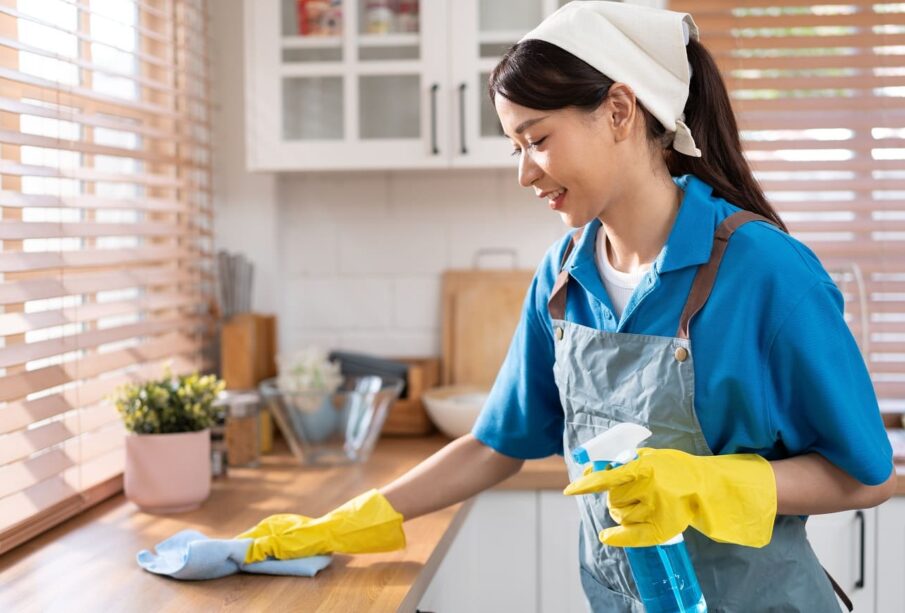
Deep cleaning goes beyond routine tidying. It targets hidden dirt, built-up grime, and overlooked areas that affect both hygiene and comfort. A structured deep cleaning checklist helps you refresh your entire home methodically, saving time while delivering noticeable results. Whether you’re preparing for a new season, guests, or simply a healthier living environment, this guide covers every essential area.
Why Deep Cleaning Your Home Matters
Regular surface cleaning keeps things presentable, but deep cleaning restores freshness and improves indoor living conditions.
Key benefits of deep cleaning include:
- Improved indoor air quality
- Reduced allergens and bacteria
- Longer lifespan for furniture and appliances
- A more organized and stress-free home
Deep cleaning also helps identify maintenance issues early, preventing costly repairs later.
Essential Supplies Before You Start
Having the right tools ensures efficiency and better results.
Basic deep cleaning supplies:
- Microfiber cloths and scrub brushes
- All-purpose cleaner and disinfectant
- Baking soda and white vinegar
- Vacuum with attachments
- Mop and bucket
- Gloves and trash bags
Using reusable and non-toxic products can make the process safer and more sustainable.
Whole-House Deep Cleaning Checklist
Start from the top of your home and work your way down to avoid re-cleaning areas.
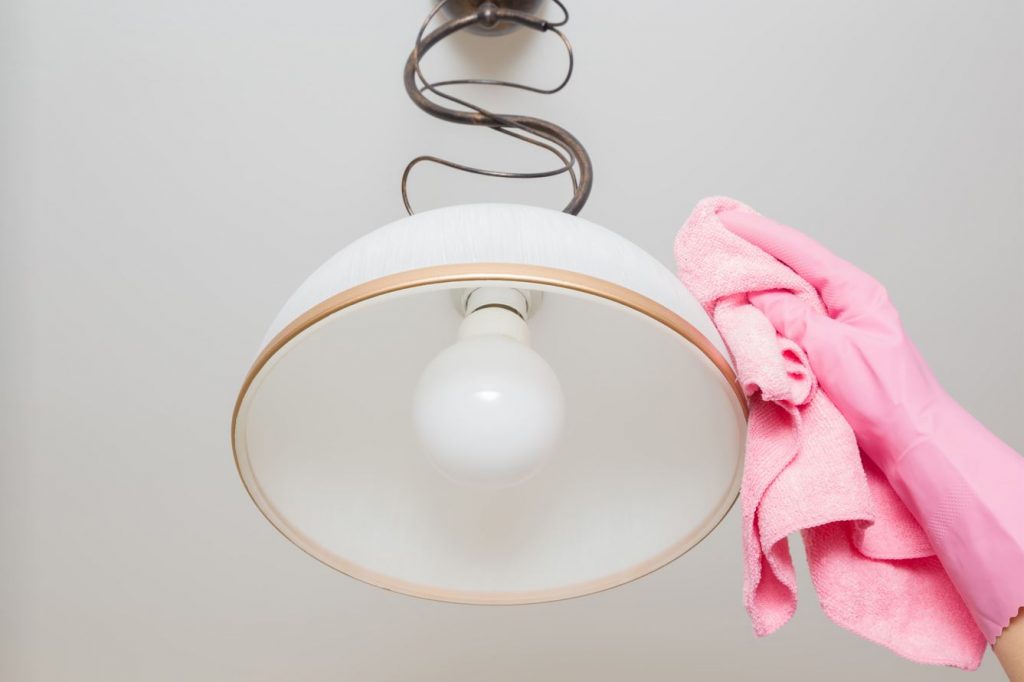
General areas to deep clean:
- Dust ceiling fans, vents, and light fixtures
- Clean walls, doors, and switch plates
- Wash windows, tracks, and blinds
- Wipe baseboards and crown molding
- Vacuum and mop all floors thoroughly
This approach ensures no dust or debris settles on freshly cleaned surfaces.
Deep Cleaning the Kitchen
The kitchen requires extra attention due to grease buildup and food residue.
Kitchen deep cleaning tasks:
- Clean inside and behind appliances
- Degrease stovetops, range hoods, and backsplashes
- Sanitize countertops and cabinet exteriors
- Empty, clean, and deodorize the refrigerator
- Scrub sinks and disinfect garbage disposals
Pay close attention to handles and knobs, as they harbor germs.
Bathroom Deep Cleaning Checklist
Bathrooms demand thorough sanitization for hygiene and comfort.
Bathroom deep cleaning essentials:
- Scrub showers, tubs, and grout lines
- Disinfect toilets, sinks, and faucets
- Clean mirrors and glass surfaces
- Wash shower curtains and bath mats
- Declutter and wipe storage cabinets
Replacing worn-out items like toothbrush holders or shower liners can instantly refresh the space.
Living Room and Common Areas
High-traffic spaces collect dust and allergens quickly.
Focus areas for living spaces:
- Vacuum sofas, chairs, and cushions
- Clean under furniture and rugs
- Dust electronics, shelves, and décor
- Wipe remote controls and frequently touched surfaces
Rotating cushions and rearranging furniture can also improve wear and airflow.
Bedroom Deep Cleaning Tasks
Bedrooms benefit greatly from deep cleaning, especially for better sleep quality.
Bedroom checklist:
- Wash bedding, pillows, and mattress covers
- Vacuum mattresses and bed frames
- Clean under the bed and inside closets
- Dust lamps, headboards, and nightstands
Organizing closets during deep cleaning helps maintain long-term order.
Laundry Room and Utility Areas
These spaces are often neglected but essential for a fully clean home.
Utility room tasks include:
- Clean washing machine and dryer interiors
- Wipe shelves and detergent containers
- Remove lint buildup from dryer vents
- Mop floors and sanitize sinks
Maintaining these areas improves appliance efficiency and safety.
Final Touches That Make a Difference
Small finishing steps enhance the overall impact of deep cleaning.
Final details to complete the process:
- Replace air filters
- Take out all trash and recycling
- Add natural air fresheners or plants
- Open windows to ventilate the home
These touches make your home feel lighter, cleaner, and more inviting.
FAQs About Deep Cleaning Your Home
How often should a home be deep cleaned?
Most homes benefit from deep cleaning every three to six months, depending on household size, pets, and lifestyle.
Is deep cleaning better done in stages or all at once?
Both approaches work. Breaking tasks into stages is ideal for busy schedules, while a full-day clean suits seasonal resets.
What’s the difference between regular cleaning and deep cleaning?
Regular cleaning maintains surfaces, while deep cleaning removes embedded dirt, grime, and buildup in hard-to-reach areas.
Can deep cleaning improve allergies?
Yes, removing dust, pet dander, and mold can significantly reduce allergy triggers indoors.
Should I deep clean before or after decluttering?
Decluttering first makes deep cleaning faster and more effective by clearing access to all surfaces.
Are natural cleaners effective for deep cleaning?
Natural products like vinegar and baking soda work well for many tasks, especially when combined with proper scrubbing.
Is professional deep cleaning worth it?
Professional services are helpful for large homes, busy households, or post-renovation cleaning, but DIY deep cleaning can be equally effective with time and consistency.
A well-planned deep cleaning routine restores comfort, cleanliness, and peace of mind—making your home healthier and more enjoyable year-round.


