

Timeless Resilience: Why Red Oak Stair Treads are the Professional Foundation for Your Home
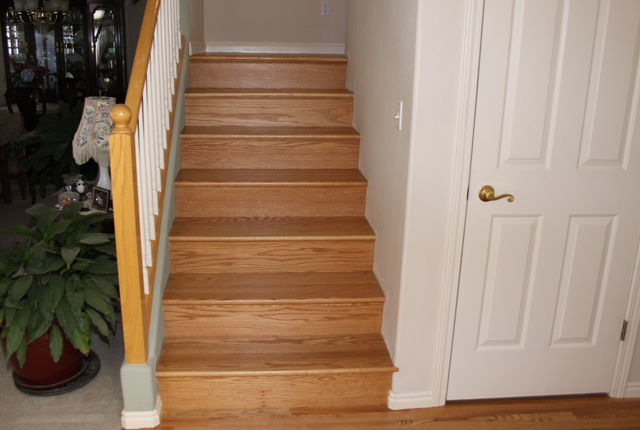
In the architecture of a high-traffic residence, the staircase is the ultimate test of a material’s durability and aesthetic longevity. For the discerning homeowner and wellness-focused professional, red oak stair treads represent a strategic investment in both structural security and interior elegance. Red Oak (Quercus rubra) has long been the gold standard for American staircases, prized for its exceptional Janka hardness and distinctive, warm grain patterns that hide the “micro-trauma” of daily use—such as pet claws or high-heeled shoes—better than almost any other hardwood. By selecting solid wood treads over veneers, you are ensuring a foundation that supports long-term musculoskeletal health through consistent tactile feedback and superior shock absorption. Whether you are conducting a full-scale renovation or a strategic “face-lift,” Red Oak offers the perfect balance of industrial-grade strength and classic design.
The Engineering of Red Oak: Built for the High-Traffic Home
What sets Red Oak apart in the niche of premium hardwoods is its unique cellular structure and density. For the sports person and the meticulous home manager, these technical specifications translate into a safer, more reliable walking surface.
- Superior Wear Resistance: Red Oak is renowned for its hardness, making it highly resistant to the abrasions and impacts common in busy foyers and multi-level homes.
- Edge-Glued Stability: Modern professional treads are manufactured using edge-glued solid staves. This engineering technique prevents “cupping” or warping, ensuring each step remains perfectly level and quiet for decades.
- Traction-Enhancing Grain: The open-pore grain structure of Red Oak provides a natural, subtle texture that improves slip resistance compared to smoother, closed-grain woods like Maple.
- Custom Nosing Profiles: From the classic Full Round-Over Bullnose to modern Square Eased Edges, the nosing protects the wood from chipping while providing a smooth transition for the foot, reducing trip hazards.
Selecting the Right Tier: Traditional vs. Retrofit
Efficiency in home renovation is found in choosing the right hardware for the scope of the project. Depending on whether you are building new or refacing existing stairs, your choice of tread thickness is critical.
| Feature | Traditional 1″ Treads | Retrofit 3/4″ Treads |
| Project Scope | New construction or total replacement. | Remodeling / “Refacing” existing stairs. |
| Structural Role | The primary support for the staircase. | Installed directly over existing sub-treads. |
| Thickness | Solid 1″ through-and-through. | 3/4″ body with a 1″ thick front nose. |
| Aesthetic Result | A deep, structural, custom look. | Instant hardwood upgrade without a teardown. |
Reducing the Total Cost of Ownership (TCO)
For the modern professional, value is defined by the lifespan and maintenance requirements of the installation. While Red Oak is highly affordable, its long-term ROI is where it truly shines as a premier building material.
- Refinishing Potential: Unlike laminate or thin-veneer alternatives, solid Red Oak can be sanded and re-stained multiple times. This allows you to update your home’s aesthetic as trends change without the massive cost of a full reconstruction.
- Increased Property Appraisal: Hardwood stairs are a high-value feature that triggers immediate emotional “buy-in” from prospective buyers. Real estate data consistently shows that solid wood transitions are a “top-tier” feature for luxury appraisals.
- High-Performance Finishing: Utilizing a 100% solids UV-cured finish (like the Diamond Coat ii) ensures that your treads are protected from Day 1 with the most durable topcoat available, resisting fading and chemicals better than traditional polyurethanes.
Supporting a Lifestyle of Safety and Wellness
For older adults and those focused on fall prevention, the physical properties of a solid wood staircase directly impact daily health. A firm, consistent step reduces the micro-strains on knees and ankles that occur on uneven or “spongy” carpeted stairs. Furthermore, the ease of cleaning a wood surface—compared to the dust, dander, and allergens trapped in carpet fibers—promotes superior indoor air quality and respiratory health.
The psychological impact of a beautiful Red Oak staircase provides a sensory anchor of stability and craftsmanship. As the physical “spine” of the home, it aligns with a lifestyle that values quality over convenience and legacy over temporary fixes.
Securing Your Architectural Legacy
Ultimately, the materials you choose for your home’s vertical transitions define the character of the entire interior. Red Oak offers a rare combination of affordability, durability, and timeless warmth. By prioritizing solid construction and professional-grade milling, you are making a definitive investment in your family’s daily comfort and security.
For those ready to elevate their home with hardware that meets the highest standards of the wood niche, Wood Stair Co. offers a curated selection of premium Red Oak treads, risers, and recommended adhesives for a squeak-free installation. From classic unfinished stock to custom-stained masterpieces, choosing a brand that understands the science of vertical construction is the first step toward a more resilient home.