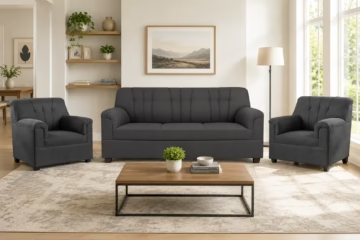

How to Choose Furniture That Fits Your Lifestyle
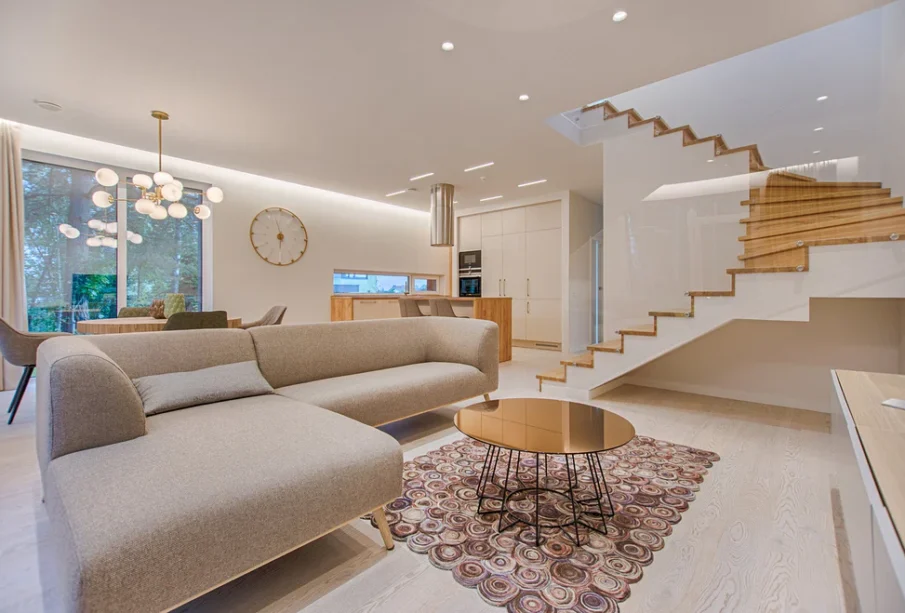
Furniture should do more than fill a room—it should support how you live, relax, work, and entertain. Choosing furniture that aligns with your lifestyle ensures comfort, functionality, and long-term satisfaction. From daily habits to future needs, thoughtful selection helps create a home that truly works for you.
Start by Understanding Your Daily Routine
Your lifestyle is the foundation of every furniture decision.
Ask yourself key questions such as:
- Do you host guests often or prefer quiet evenings?
- Do you work from home regularly?
- Do you have children or pets?
- How much time do you spend in each room?
Furniture that suits your routine will feel natural rather than restrictive.
Measure Your Space Before You Shop
Even the most beautiful furniture fails if it doesn’t fit the room.
Smart space-planning tips:
- Measure rooms, doorways, and hallways accurately
- Leave clear walkways for comfortable movement
- Avoid overcrowding small spaces
- Use painter’s tape to outline furniture footprints
Proper proportions create balance and prevent visual clutter.
Prioritize Comfort Without Sacrificing Style
Comfort is essential, especially for furniture used daily.
Comfort-focused features to look for:
- Supportive cushions and seat depth
- Ergonomic chairs for work or dining
- Upholstery that feels good year-round
- Furniture height that suits your posture
Style matters, but comfort ensures long-term satisfaction.
Choose Durable Materials for Real Life
Lifestyle-friendly furniture should withstand daily use.
Material choices based on lifestyle:
- Performance fabrics for homes with kids or pets
- Solid wood or metal frames for durability
- Stain-resistant finishes for dining areas
- Easy-to-clean surfaces for high-traffic spaces
Durable materials reduce maintenance and extend furniture life.
Match Furniture to Your Personal Style
Furniture should reflect who you are, not just what’s trending.
Tips for defining your style:
- Identify colors and textures you’re drawn to
- Mix modern and classic pieces thoughtfully
- Choose statement pieces sparingly
- Keep a consistent tone across rooms
A cohesive style makes your home feel intentional and comfortable.
Think About Flexibility and Future Needs
Your lifestyle may evolve, and your furniture should adapt with you.
Flexible furniture ideas include:
- Modular sofas that reconfigure easily
- Extendable dining tables
- Storage ottomans or benches
- Furniture with hidden compartments
Versatile pieces offer longevity and value.
Balance Quality and Budget Wisely
Not all furniture requires the same investment.
Where to spend more:
- Sofas and mattresses
- Dining tables and chairs
- Office chairs used daily
Where you can save:
- Accent tables and décor pieces
- Trend-driven items
- Furniture used occasionally
Strategic spending ensures both quality and affordability.
Pay Attention to Maintenance and Care
Low-maintenance furniture supports a stress-free lifestyle.
Maintenance-friendly features include:
- Removable or washable covers
- Scratch-resistant finishes
- Fabrics that resist fading
- Simple cleaning requirements
Choosing easy-care furniture saves time and effort long-term.
FAQs About Choosing the Right Furniture
How do I choose furniture for a small living space?
Focus on multifunctional pieces, lighter colors, and furniture with exposed legs to create a sense of openness.
Should all furniture in a room match?
No. Mixing complementary styles and materials adds character while maintaining visual balance.
How long should quality furniture last?
Well-made furniture can last 7–15 years or more with proper care, depending on materials and usage.
Is custom furniture worth the investment?
Custom pieces are valuable when you have specific size requirements or want a truly personalized design.
How do I test furniture comfort before buying?
Sit, lean, and test support levels in-store, or review detailed dimensions and return policies when shopping online.
Can lifestyle changes affect furniture choices?
Yes. Changes like remote work, growing families, or downsizing often require more flexible furniture solutions.
What’s the biggest mistake people make when buying furniture?
Choosing style over comfort or function often leads to dissatisfaction over time.
Selecting furniture that fits your lifestyle creates a home that feels comfortable, practical, and uniquely yours—supporting everyday life with ease and style.