

Roofing Inspection Checklist for Homeowners
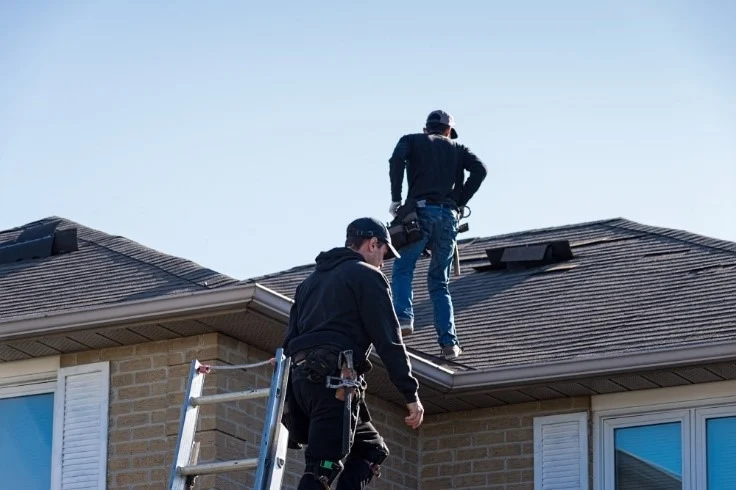
A regular roof inspection helps homeowners catch small problems before they turn into costly repairs. Your roof protects your home from weather, moisture, and structural damage, making routine checks essential for long-term durability. With a clear inspection checklist, homeowners can confidently assess roof condition and know when professional help is needed.
When to Inspect Your Roof
Timing matters when it comes to roof inspections.
Recommended inspection times include:
- Twice a year, ideally in spring and fall
- After major storms or high winds
- Before buying or selling a home
- When signs of leaks or damage appear
Consistent inspections reduce the risk of unexpected roof failure.
Safety First Before Inspecting
Roof inspections should always prioritize safety.
Important safety precautions:
- Use a sturdy ladder on stable ground
- Wear non-slip shoes
- Avoid walking on steep or wet roofs
- Use binoculars for ground-level inspections
If conditions feel unsafe, it’s best to leave the inspection to a professional.
Exterior Roof Inspection Checklist
Start by examining the roof surface and visible components.
Key exterior elements to inspect:
- Missing, cracked, or curling shingles
- Bald spots where granules are missing
- Damaged or loose flashing around chimneys and vents
- Sagging rooflines or uneven surfaces
- Signs of moss, algae, or debris buildup
These issues can indicate aging materials or water intrusion risks.
Gutters and Drainage Systems
Proper drainage is critical to roof performance.
Gutter inspection points:
- Clear leaves and debris from gutters
- Check for rust, cracks, or separation
- Ensure downspouts direct water away from the foundation
- Look for water stains beneath gutters
Blocked or damaged gutters can cause water to back up under roofing materials.
Attic and Interior Inspection
Roof problems often reveal themselves inside the home first.
What to check indoors:
- Water stains on ceilings or walls
- Damp insulation or wood rot in the attic
- Mold or mildew odors
- Sunlight visible through roof boards
Interior signs often point to hidden leaks that need immediate attention.
Chimneys, Skylights, and Roof Penetrations
Openings in the roof are common sources of leaks.
Inspect these areas carefully:
- Cracked or deteriorating chimney mortar
- Loose or damaged flashing around skylights
- Worn seals around vents and pipes
- Gaps where materials meet
Even small gaps can allow water infiltration over time.
Roof Age and Material Condition
Understanding your roof’s age helps assess remaining lifespan.
General lifespan expectations:
- Asphalt shingles: 20–30 years
- Metal roofing: 40–70 years
- Tile or slate roofs: 50+ years
If your roof is nearing the end of its expected lifespan, proactive planning can prevent emergency repairs.
Signs You Need Professional Help
Some roof issues require expert evaluation.
Call a professional if you notice:
- Widespread shingle damage
- Persistent leaks or moisture issues
- Structural sagging
- Extensive mold or rot
Professional inspections provide deeper insight and accurate repair recommendations.
Tips to Extend Roof Life
Simple maintenance steps can significantly extend roof longevity.
Roof care best practices:
- Keep gutters clean year-round
- Trim overhanging tree branches
- Address small repairs promptly
- Schedule professional inspections periodically
Preventive care saves money and protects your home.
FAQs About Roofing Inspections
How often should homeowners inspect their roof?
Most homeowners should inspect their roof twice a year and after severe weather events.
Can I inspect my roof without climbing on it?
Yes, many issues can be spotted from the ground using binoculars or by checking the attic and ceilings.
What are early signs of roof damage?
Curling shingles, missing granules, water stains, and sagging areas are common early warning signs.
Do new roofs still need inspections?
Yes, regular inspections ensure proper installation performance and help maintain warranties.
Is moss on the roof a serious problem?
Moss can trap moisture and accelerate roof deterioration if not addressed.
How long does a typical roof inspection take?
Most inspections take 30 minutes to an hour, depending on roof size and complexity.
Should I get a professional roof inspection before buying a home?
Yes, a professional inspection helps identify hidden issues and potential future costs.
A thorough roofing inspection checklist empowers homeowners to protect their investment, maintain structural integrity, and avoid costly surprises through proactive care.


