
Common Plumbing Problems and How to Fix Them
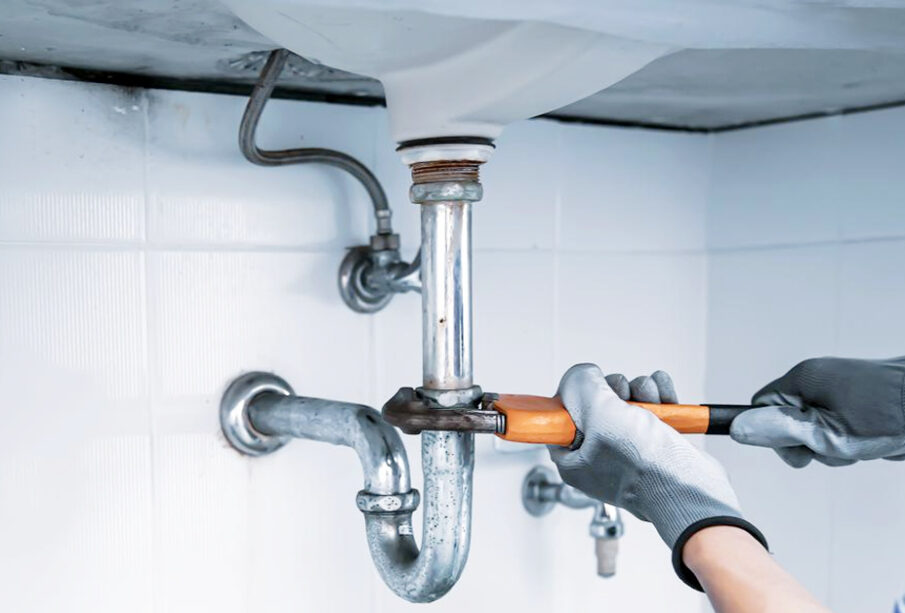
Plumbing problems are among the most frequent household issues, ranging from minor annoyances to serious disruptions. Understanding common plumbing problems and knowing how to fix them can save time, reduce repair costs, and prevent long-term damage. Many issues can be handled with basic tools and a little patience, while others signal the need for professional help.
Leaky Faucets and Fixtures
A dripping faucet may seem harmless, but it can waste significant water over time.
Common causes of leaky faucets:
- Worn-out washers or O-rings
- Corroded valve seats
- Loose or damaged parts
How to fix it:
- Turn off the water supply
- Disassemble the faucet
- Replace worn washers or seals
- Reassemble and test
Prompt repairs help conserve water and prevent further wear.
Clogged Drains and Slow Drainage
Clogged drains are one of the most common plumbing complaints in kitchens and bathrooms.
Typical causes include:
- Hair buildup in bathroom drains
- Grease and food particles in kitchen sinks
- Soap residue and debris
Simple fixes to try:
- Use a plunger to dislodge blockages
- Pour hot water down the drain
- Use a drain snake to remove buildup
- Avoid chemical cleaners that damage pipes
Regular drain maintenance reduces future clogs.
Running or Leaking Toilets
A constantly running toilet can waste hundreds of gallons of water each day.
Why toilets run or leak:
- Faulty flapper valve
- Misaligned float
- Worn fill valve
How to fix it:
- Inspect the tank components
- Replace damaged flappers or valves
- Adjust the float to the correct water level
These repairs are inexpensive and usually quick to complete.
Low Water Pressure
Low water pressure makes everyday tasks frustrating and inefficient.
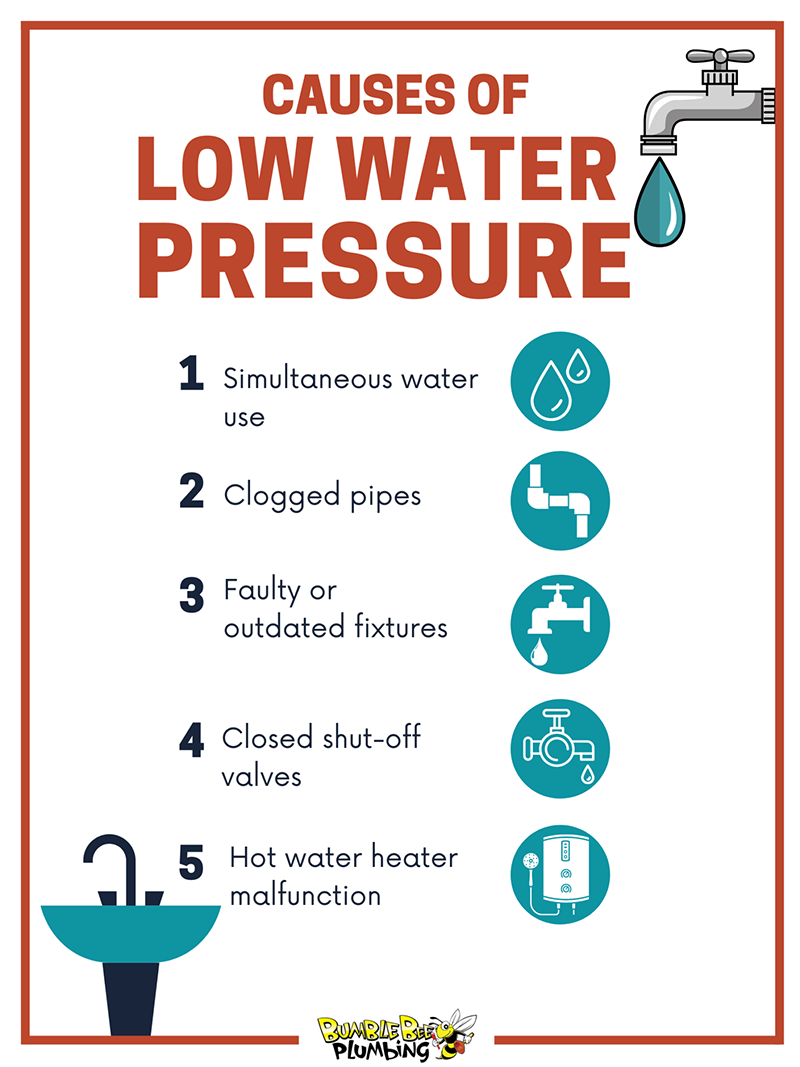
Common reasons for low pressure:
- Mineral buildup in fixtures
- Hidden pipe leaks
- Partially closed shutoff valves
Steps to improve water pressure:
- Clean faucet aerators and showerheads
- Check for visible leaks
- Ensure main and fixture valves are fully open
Persistent pressure issues may require professional inspection.
Dripping or Leaking Pipes
Leaks under sinks or behind walls can cause serious water damage if ignored.
Signs of leaking pipes include:
- Damp cabinets or walls
- Mold or mildew odors
- Unexplained water stains
What you can do:
- Tighten loose pipe connections
- Replace damaged seals or fittings
- Use temporary pipe tape as a short-term fix
If leaks persist, professional repair is recommended.
Water Heater Issues
Hot water problems often point to water heater trouble.
Common water heater problems:
- No hot water
- Inconsistent water temperature
- Strange noises from the tank
Basic solutions include:
- Checking thermostat settings
- Flushing sediment buildup annually
- Inspecting for visible leaks
Major water heater issues should be handled by a professional for safety reasons.
Jammed Garbage Disposal
Garbage disposals can jam when unsuitable items are inserted.
Common causes of jams:
- Fibrous foods
- Grease buildup
- Hard objects
Safe fix steps:
- Turn off power to the disposal
- Use a hex key to manually rotate the unit
- Remove visible obstructions with tongs
Never put hands inside the disposal.
When to Call a Professional Plumber
Some plumbing problems go beyond DIY solutions.
Call a professional if you notice:
- Persistent leaks
- Burst pipes
- Sewage backups
- No water supply
Timely professional help prevents costly damage.
FAQs About Common Plumbing Problems
What plumbing issues can homeowners safely fix themselves?
Minor clogs, leaky faucets, running toilets, and showerhead cleaning are usually safe DIY repairs.
How often should household plumbing be inspected?
A general plumbing inspection every one to two years helps catch issues early.
Can small leaks really cause major damage?
Yes, even small leaks can lead to mold, structural damage, and higher utility bills over time.
Is it safe to use chemical drain cleaners?
Frequent use can damage pipes and is not recommended for long-term maintenance.
Why does my water heater make popping noises?
Sediment buildup at the bottom of the tank often causes these sounds.
How can I prevent plumbing problems?
Regular maintenance, proper drain use, and quick repairs help prevent major issues.
When should pipes be replaced instead of repaired?
Pipes showing corrosion, repeated leaks, or age-related damage often require replacement.
Understanding common plumbing problems and how to address them empowers homeowners to act quickly, protect their property, and maintain a reliable plumbing system.


